
No products in the cart.
Types of hearing aids

Hearing aids have come a long way from bulky devices to sleek, smart, and highly adaptive technology. Whether the goal is comfort, power, or invisibility, there is a hearing aid for every level of hearing loss. Understanding the different types of hearing aids helps you choose the one that matches your lifestyle, budget, and hearing needs.
Below is a clear breakdown of all major types of hearing aids used today.
1. Behind-the-Ear (BTE) Hearing Aids
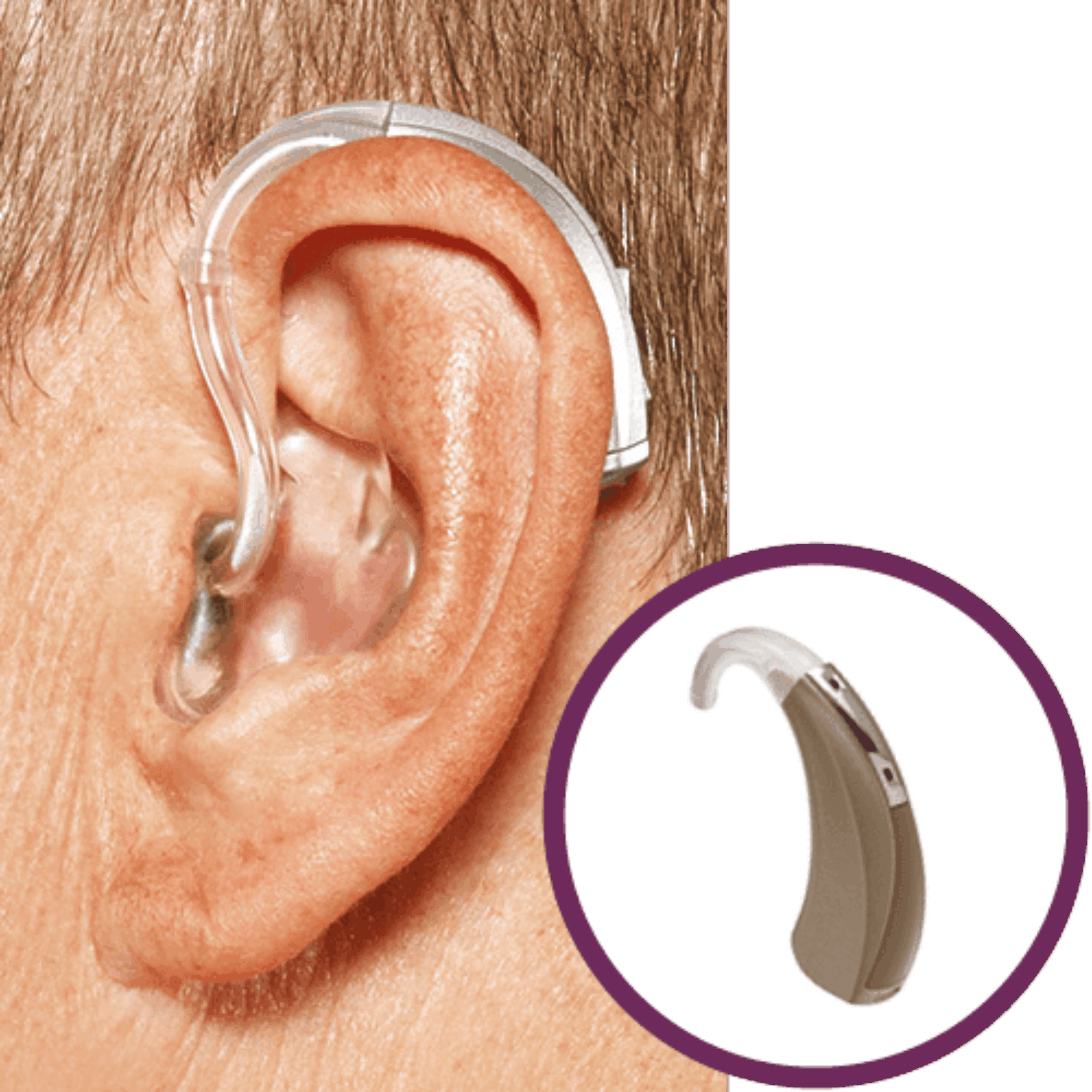
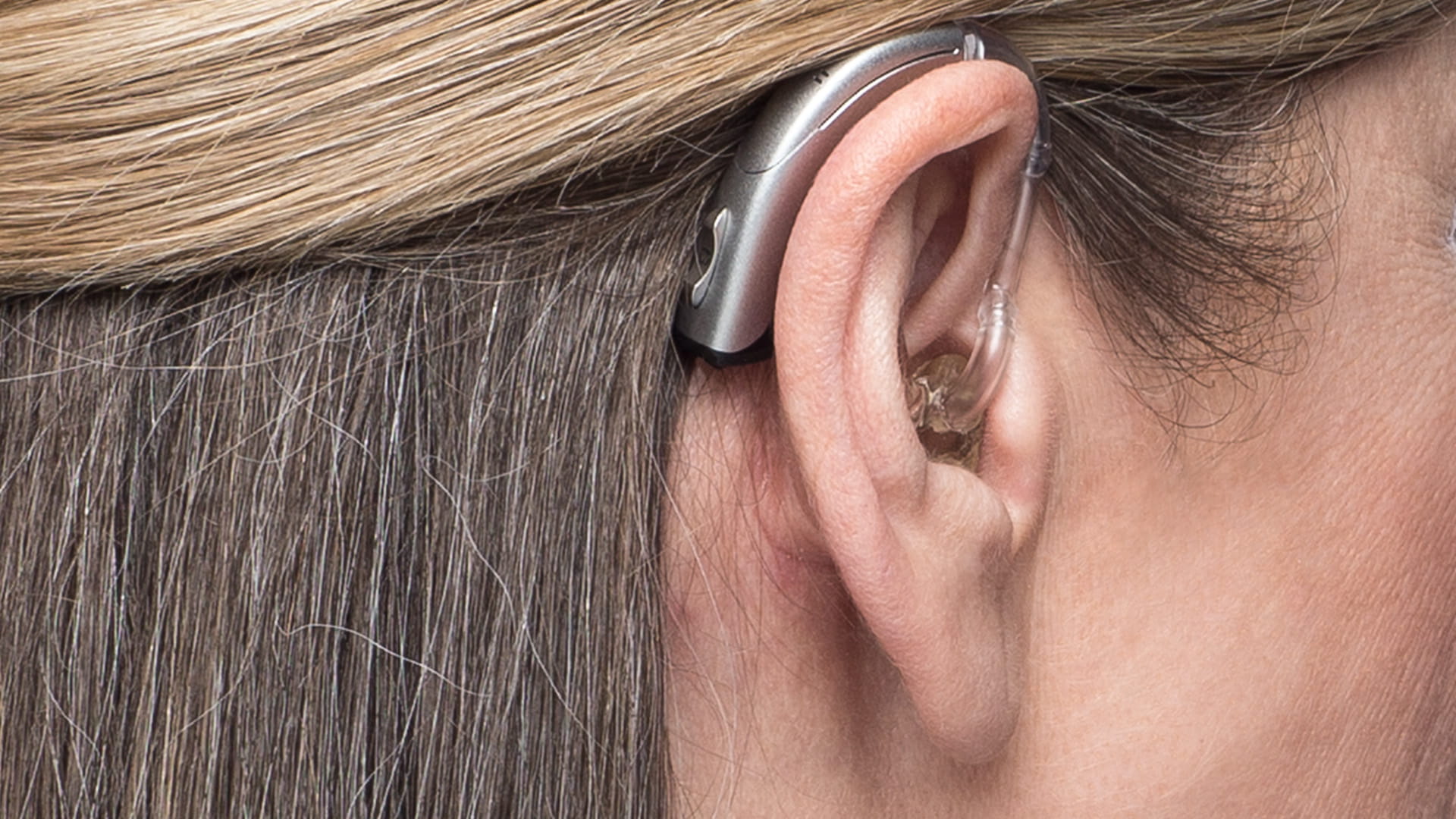
What They Are
BTE hearing aids rest behind the ear, with a thin tube or ear mould that directs sound into the ear canal.
Best For
Mild to profound hearing loss
Users who want durability and easy handling
Children, seniors, and those needing powerful amplification
Key Benefits
High power and long battery life
Very reliable
Suitable for almost all age groups
Easy to clean and maintain
2. Receiver-in-Canal (RIC) / Receiver-in-the-Ear (RITE)
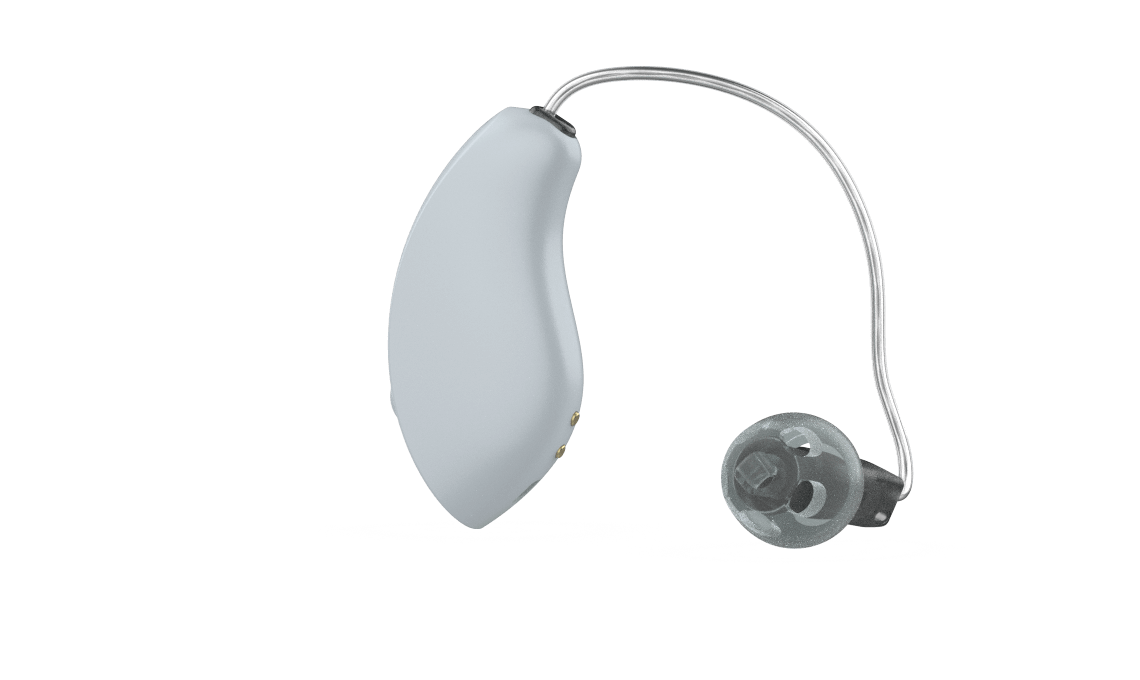
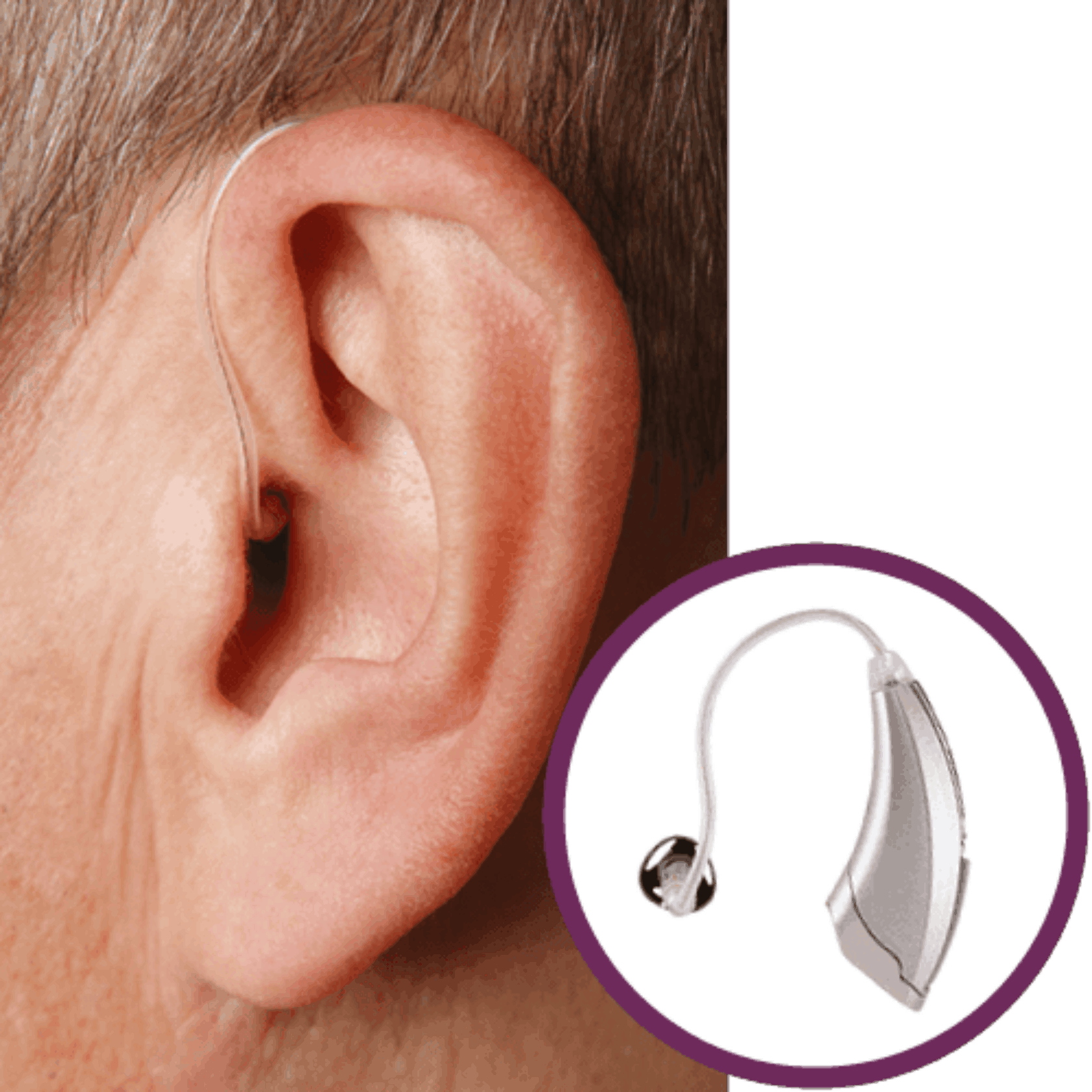
What They Are
RIC hearing aids place the speaker (receiver) inside the ear canal, connected to the main body by a thin wire.
Best For
Mild to severe hearing loss
Users wanting a balance of power + cosmetic appeal
Key Benefits
Natural sound quality
More comfortable and less visible
Better performance in noisy environments
Most popular style in 2025
3. In-the-Ear (ITE) Hearing Aids
What They Are
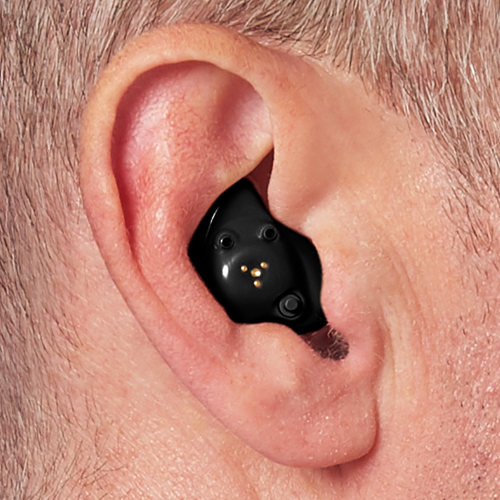
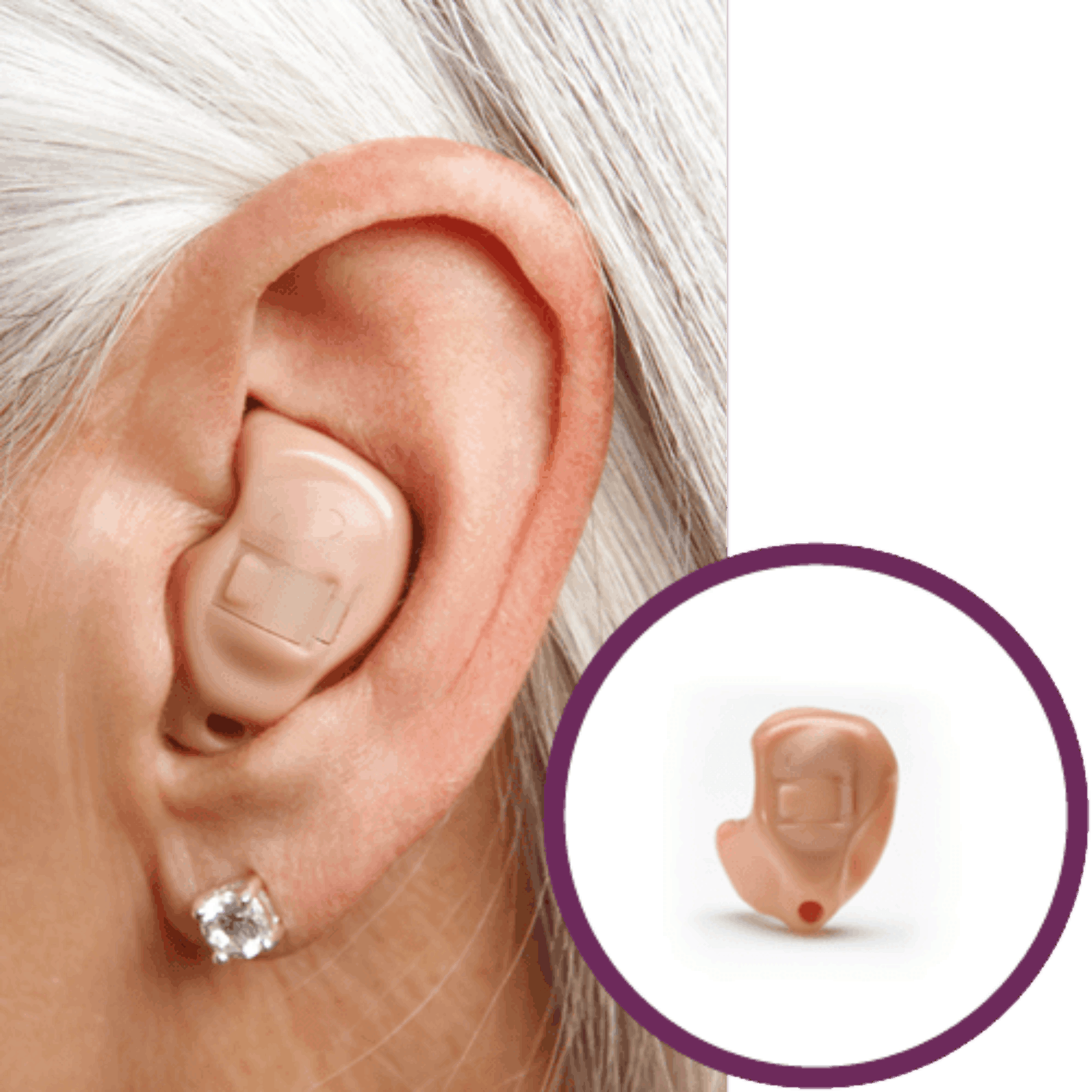
ITE hearing aids fit completely inside the outer ear, custom-made based on an ear impression.
Best For
Mild to severe hearing loss
Users who prefer a simple, all-in-one design
Key Benefits
Larger size allows more features
Easier to insert and remove than smaller custom aids
Good option for people with dexterity issues
4. In-the-Canal (ITC) Hearing Aids

What They Are
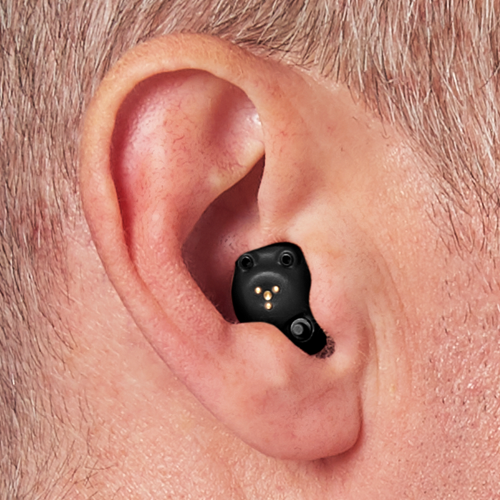
ITC hearing aids sit partly inside the ear canal, offering a smaller and more discreet design than ITE aids.
Best For
Mild to moderate hearing loss
Users who want a balance between invisibility and features
Key Benefits
More discreet than ITE
Custom fit improves comfort
Ample features like noise reduction and wireless options
5. Completely-in-Canal (CIC) Hearing Aids
What They Are
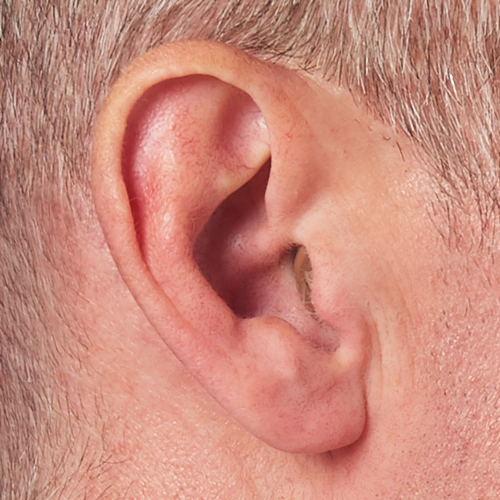
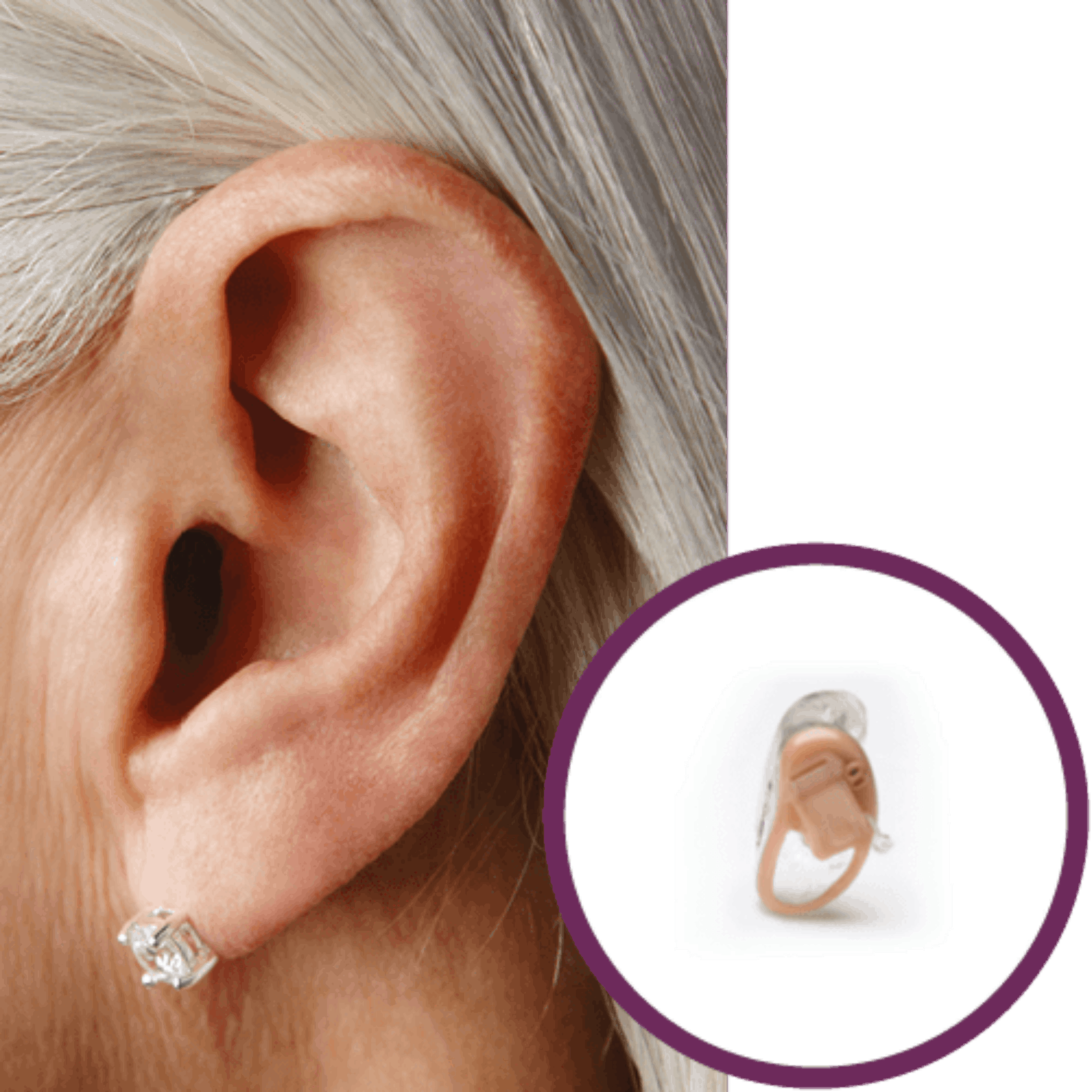
CIC devices fit deep inside the ear canal, making them nearly invisible.
Best For
Mild to moderate hearing loss
Users prioritising cosmetic appearance
Key Benefits
Very discreet
Natural sound experience
Good for phone calls due to deep placement
6. Invisible-in-Canal (IIC) Hearing Aids
What They Are
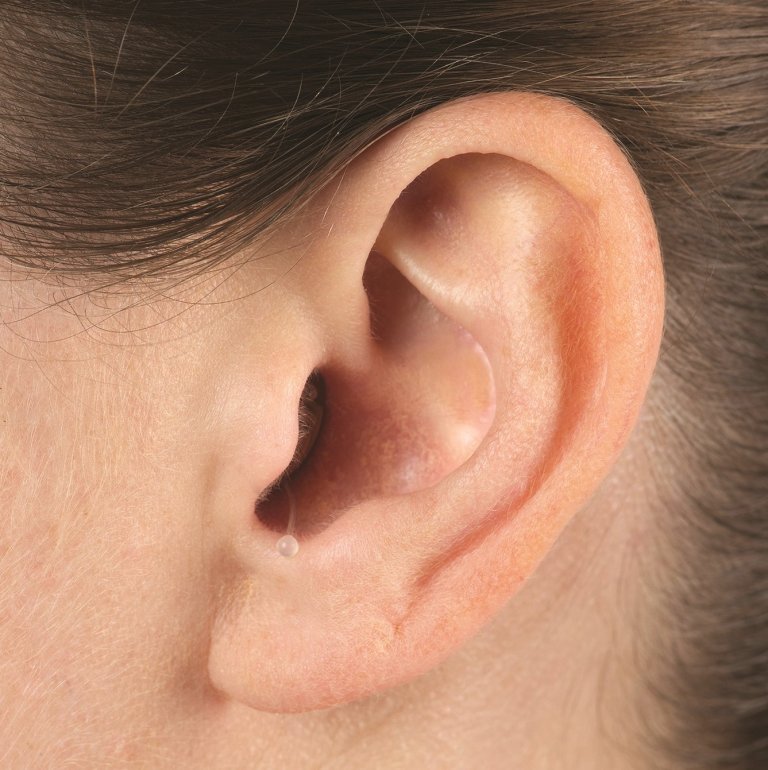
The smallest custom hearing aids, inserted deeply inside the canal, often undetectable.
Best For
Mild to moderate hearing loss
Users wanting maximum invisibility
Key Benefits
Best cosmetic option
Natural sound pickup from the ear’s anatomy
Highly discreet and comfortable
7. Rechargeable Hearing Aids

What They Are
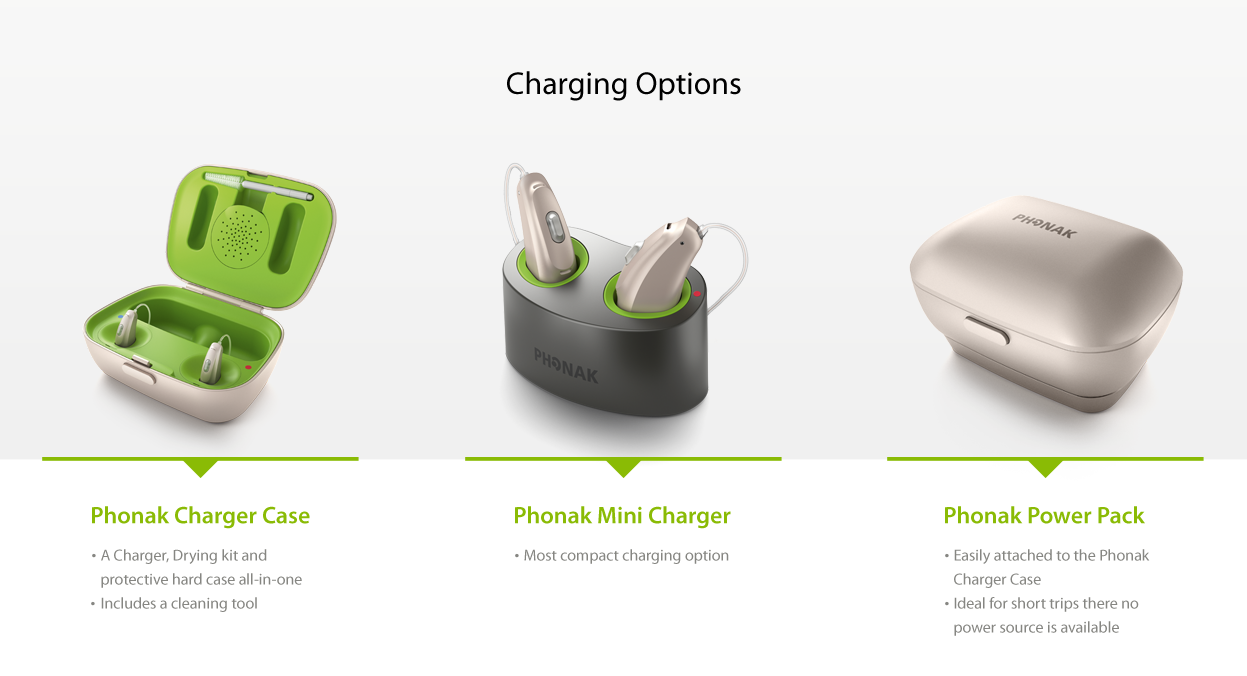
Modern hearing aids with built-in lithium-ion batteries that can be charged instead of replaced.
Best For
All age groups
Users who prefer convenience over batteries
Key Benefits
No need to change batteries
Lasts a full day on a single charge
Environment-friendly
8. Bluetooth Hearing Aids

What They Are
Hearing aids that connect to smartphones, TVs, or laptops for streaming calls, music, and audio.
Best For
Active users
People who want smart features and app control
Key Benefits
Direct call and music streaming
Remote adjustments via app
Excellent for tech-savvy users
Which Type of Hearing Aid Is Best?
The best type depends on:
Degree of hearing loss
Ear canal shape
Lifestyle needs
Budget
Preference for visibility vs. power
BTE and RIC are the most recommended for all-round performance.
CIC and IIC are best for cosmetic invisibility.
Rechargeable + Bluetooth options offer maximum convenience.
Final Thoughts
Choosing the right hearing aid is easier when you understand each style. Whether you need something powerful, nearly invisible, or fully smart and connected, today’s technology gives you plenty of strong, comfortable options.