
No products in the cart.
What are the best suitable hearing aids for profound hearing loss?
Profound hearing loss is the most severe form of hearing impairment, where everyday sounds—including speech—are very difficult or impossible to hear without advanced technology. Choosing the right hearing aid for profound hearing loss is critical for improving communication, independence, and overall quality of life.
This in-depth guide explains the most suitable hearing aids for profound hearing loss, key features to look for, and how to select the best solution with professional support.
Understanding Profound Hearing Loss
Profound hearing loss typically means a hearing threshold of 90 dB HL or more. Individuals may struggle to hear loud speech, emergency sounds, or environmental noise. Standard hearing aids are often insufficient, making high-power, advanced hearing devices essential.
Best Types of Hearing Aids for Profound Hearing Loss
1. Behind-the-Ear (BTE) Super Power & Ultra Power Hearing Aids
BTE hearing aids are the most recommended option for profound hearing loss.
Why they work best:
Deliver very high amplification
Compatible with custom-made full-shell earmolds
Durable and easy to maintain
Suitable for adults and children
Ideal for: People needing maximum loudness with speech clarity.
2. Receiver-in-Canal (RIC) Power Hearing Aids
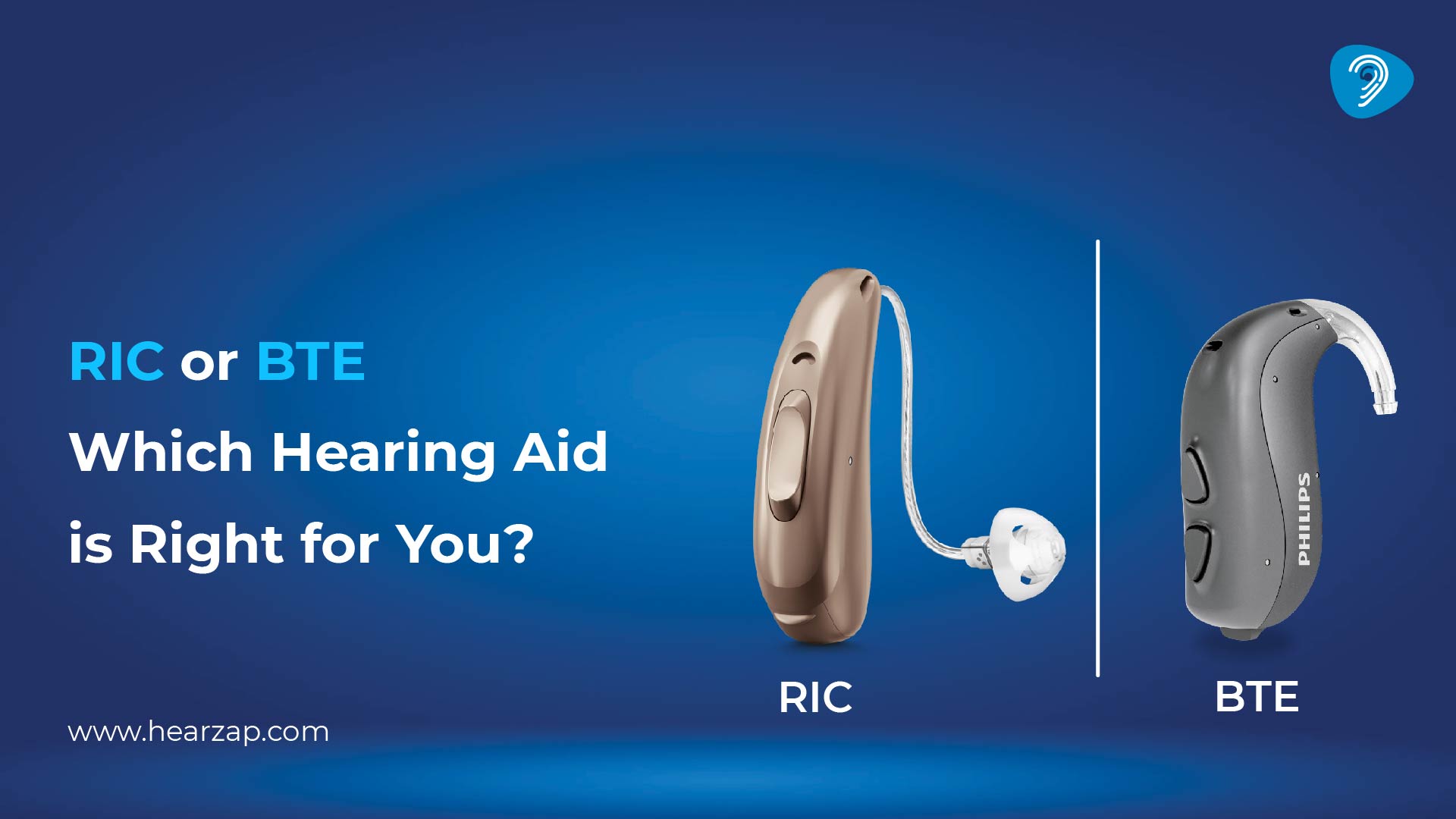
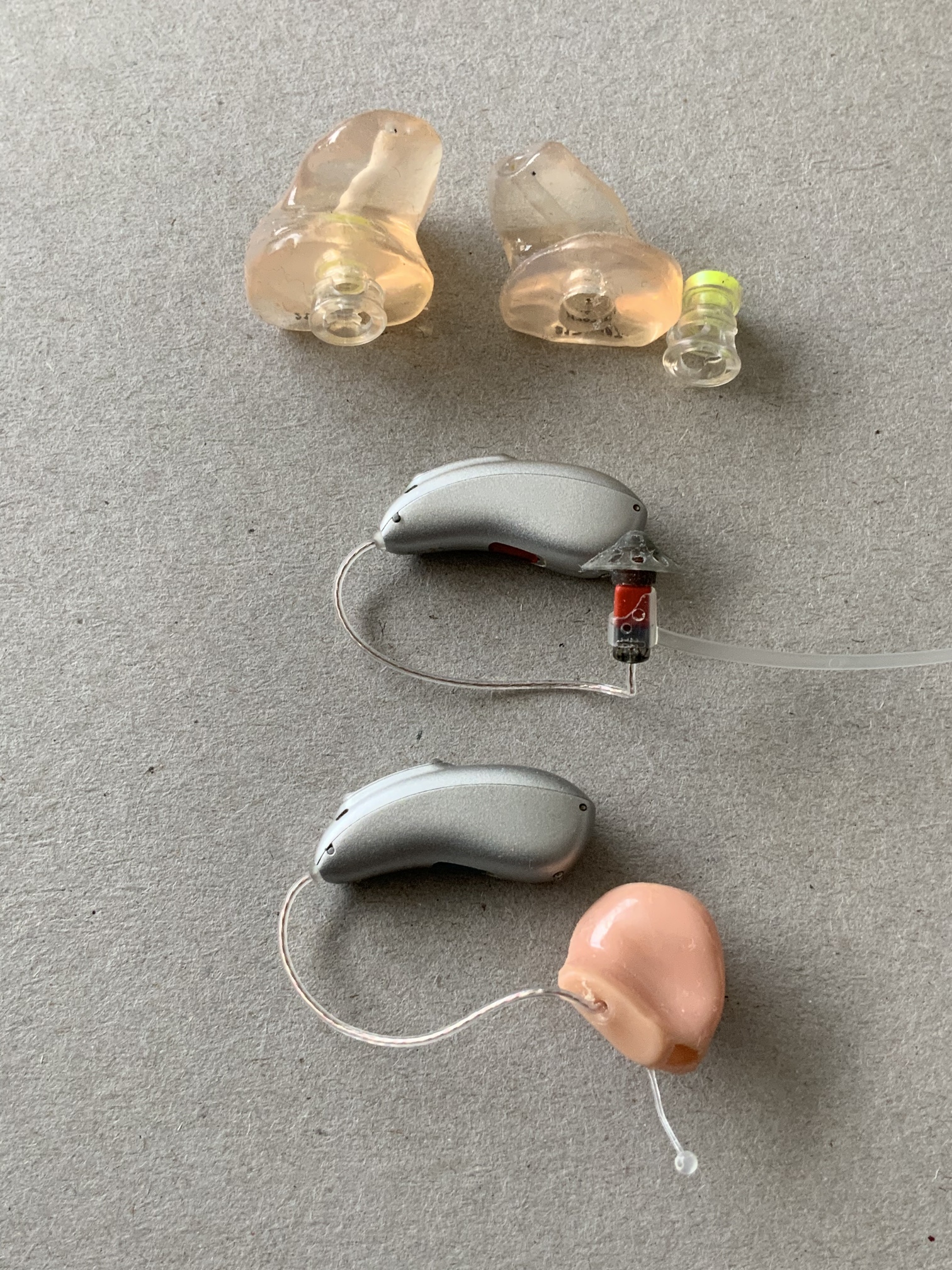
Power RIC devices combine discreet design with strong amplification.
Advantages:
More comfortable than traditional BTEs
Improved sound quality
Supports severe-to-profound hearing loss with power receivers
Limitation: Not suitable for all profound loss cases—best after professional evaluation.
3. Bone Anchored Hearing Aids (BAHA)
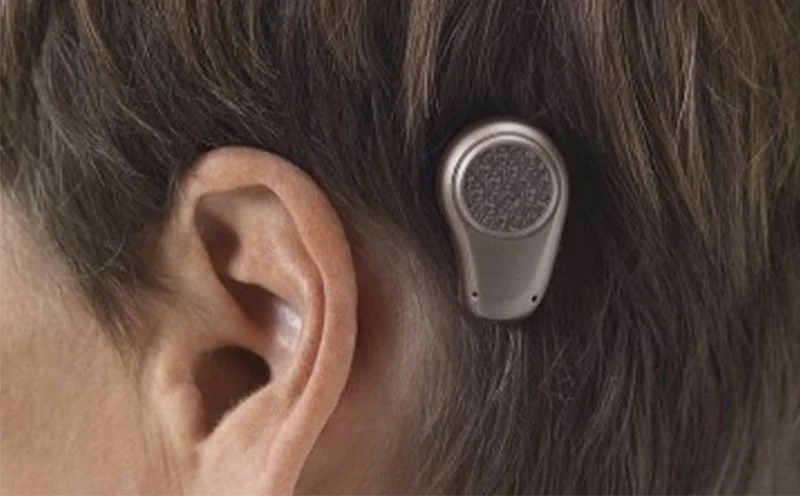
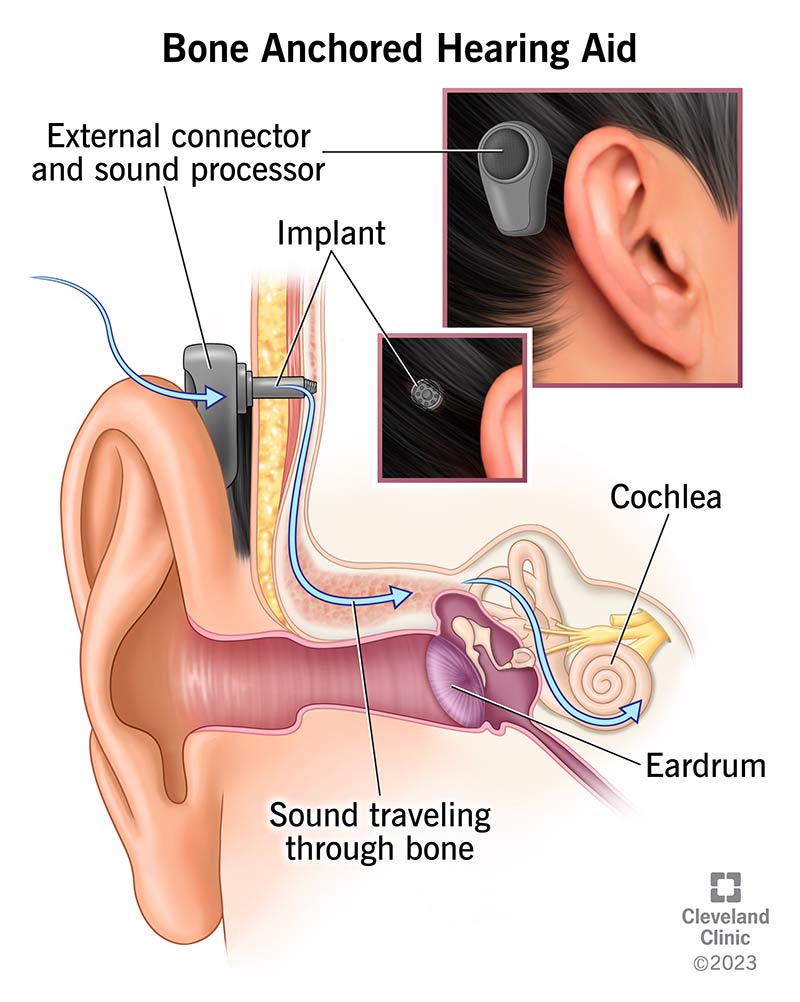
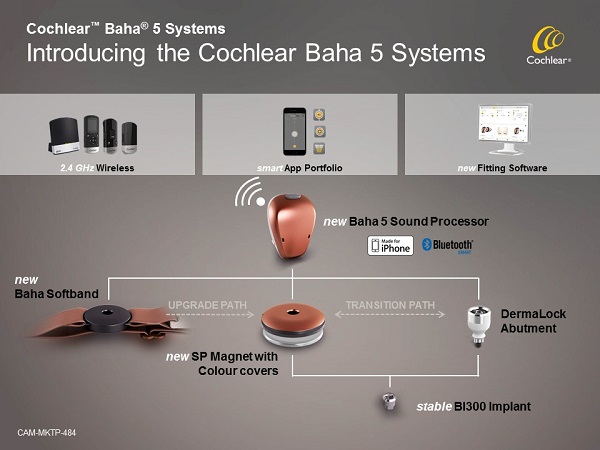
Bone-anchored hearing aids transmit sound directly through bone conduction.
Recommended for:
Profound hearing loss with chronic ear infections
Individuals who cannot wear conventional hearing aids
Mixed or conductive hearing loss with profound severity
4. Cochlear Implants (When Hearing Aids Are Not Enough)
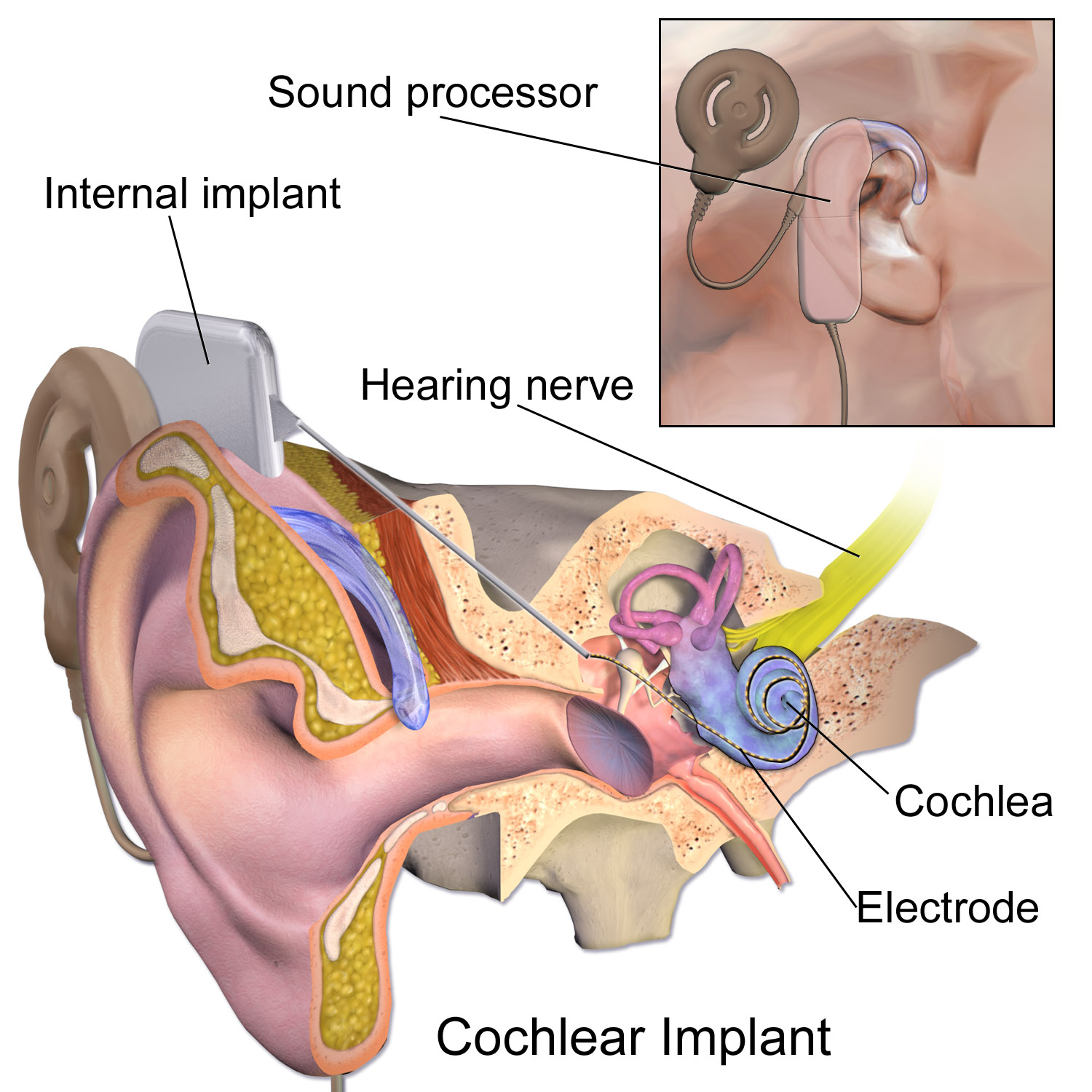

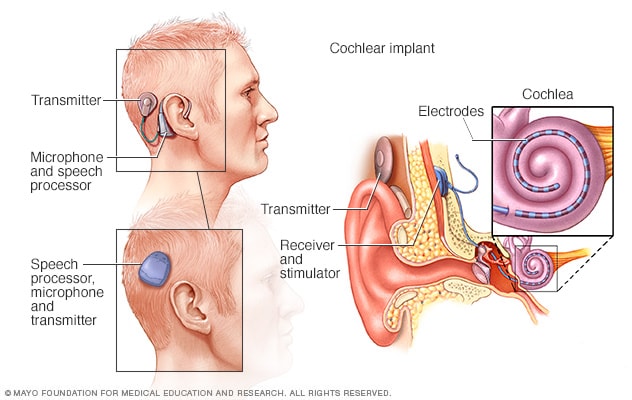
For individuals who receive little or no benefit from hearing aids, cochlear implants may be advised.
Key benefits:
Bypasses damaged inner ear structures
Directly stimulates the auditory nerve
Can restore speech understanding in many profound cases
Important: Requires surgery and specialized rehabilitation.
Essential Features to Look For in Hearing Aids for Profound Hearing Loss
When selecting a hearing aid for profound hearing loss, ensure it includes:
✅ Ultra-High Power Output
✅ Advanced Digital Noise Reduction
✅ Feedback Cancellation
✅ Directional Microphones
✅ Speech Enhancement Technology
✅ Bluetooth Connectivity for phones & TVs
✅ Rechargeable or Long-Life Batteries
✅ Compatibility with Assistive Listening Devices
Are Invisible or In-the-Ear Hearing Aids Suitable?
❌ No.
Invisible (IIC), CIC, or ITC hearing aids usually do not provide enough power for profound hearing loss. BTE or implantable solutions are far more effective and safe.
Importance of Professional Hearing Evaluation
Profound hearing loss requires expert assessment by an audiologist. Proper testing ensures:
Correct diagnosis
Realistic expectations
Custom programming for maximum benefit
Long-term follow-up and fine-tuning
A poorly fitted high-power hearing aid can cause distortion or discomfort, so professional care is essential.